

Ball Materials
Shenzhen Haisheng Filter Materials : Your Trustworthy Ball Materials Manufacturer!
Our company was established in 2001 and mainly produces and processes composite materials for clothing, shoes and hats, handbags, luggage, sports equipment, air filters and other products. Our products include sports ball leather, filter materials, EVA materials, sound and heat insulation materials, and coating materials.
Rich Products
Our company Filter Materials, Medical Air Filter Paper, Cabin Filter Paper, PP Air Filter Paper, Vacuum Cleaner Filter Paper, Polyester Non Woven Fabric, PET Backbone Nonwoven Fabric, etc.
Advanced Production Equipment
Our company has advanced melt-blown cloth automation equipment, composite production lines, coating production lines, PUR composite equipment, high-precision automatic slitting equipment, automatic vibrating knife cutting equipment and other equipment.
Products Widely Used
The products produced by our company can be widely used in air filters, filter elements, surgical masks, protective clothing, football, American football, basketball, volleyball, beach tennis rackets and other fields.
Customizable
The products we produce can be OEM customized, and we will promptly inform customers of the follow-up status of the order, including samples, production progress, and transportation-related progress.
What is Ball Materials
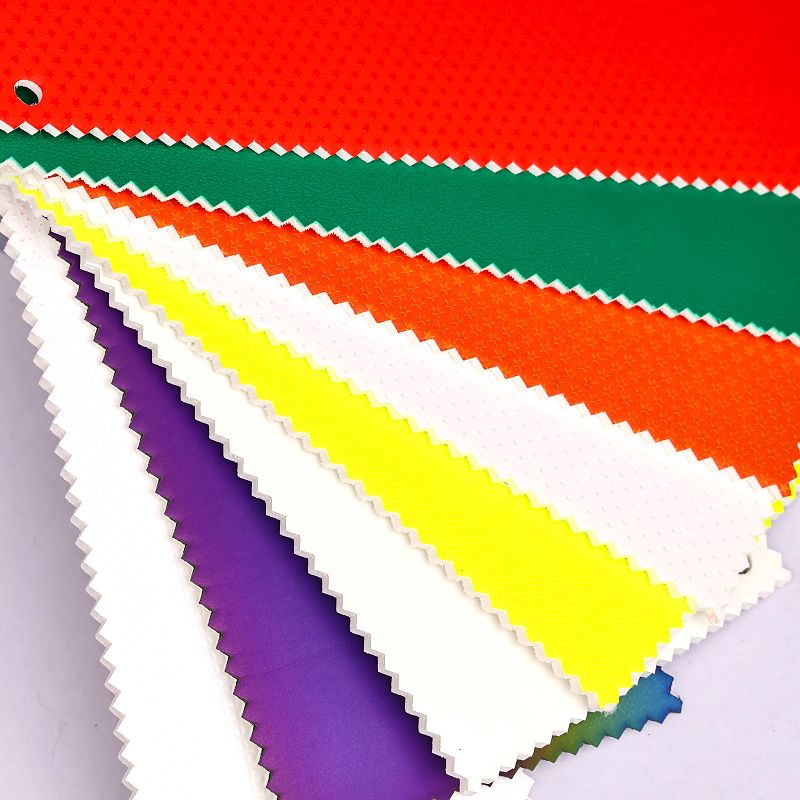
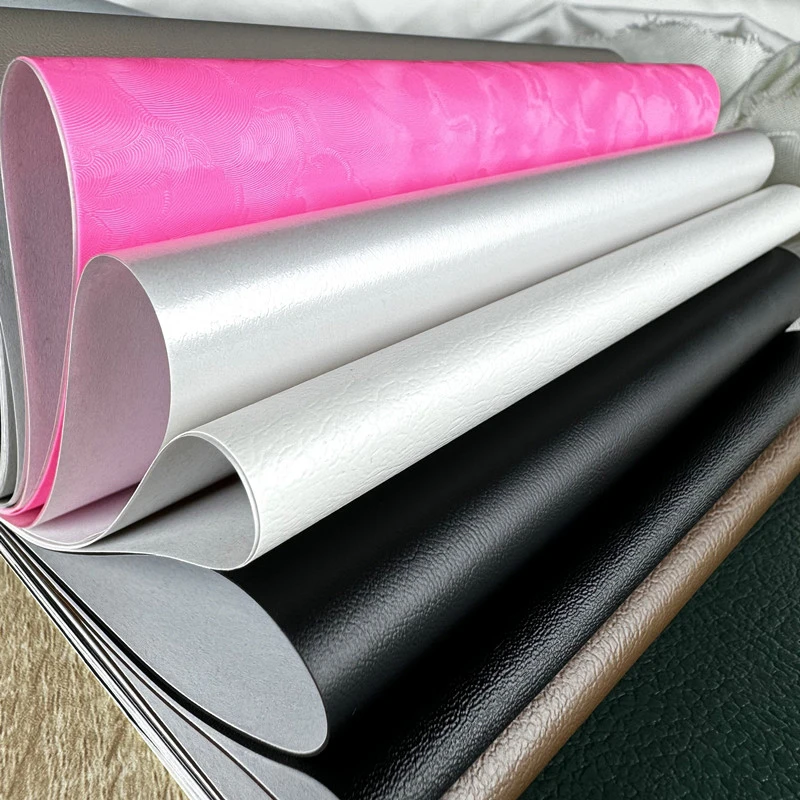
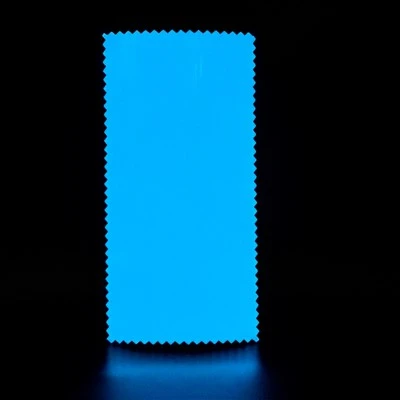
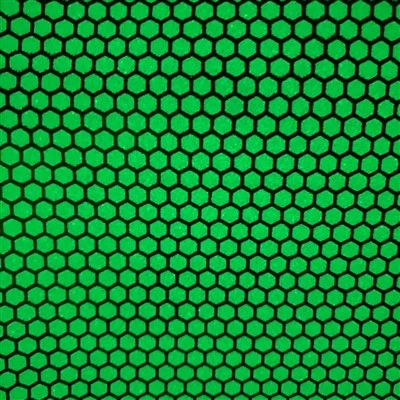
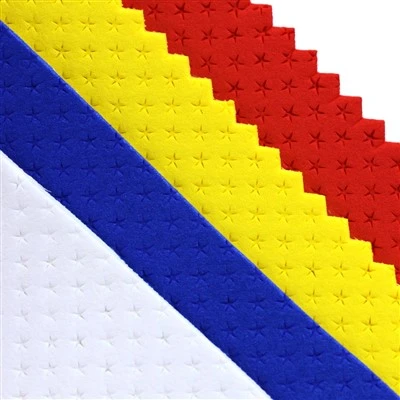
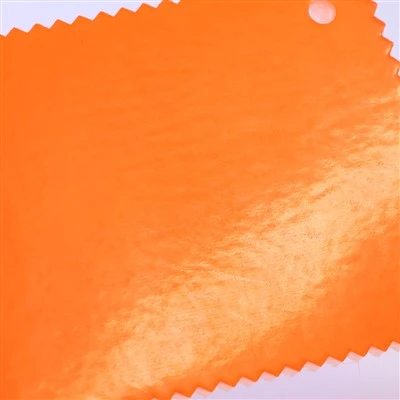
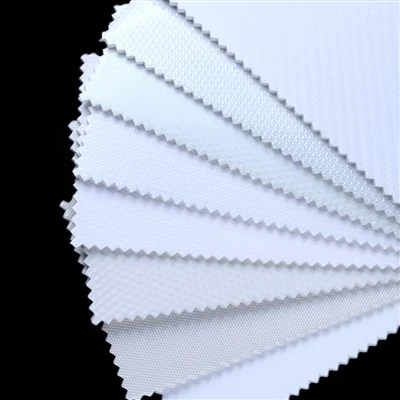
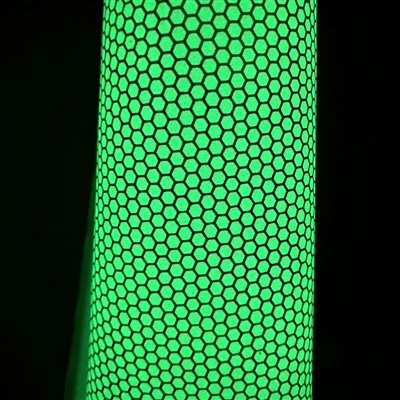
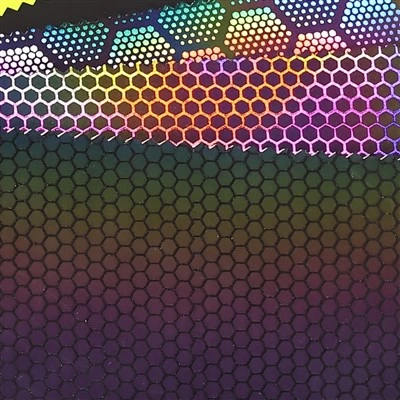
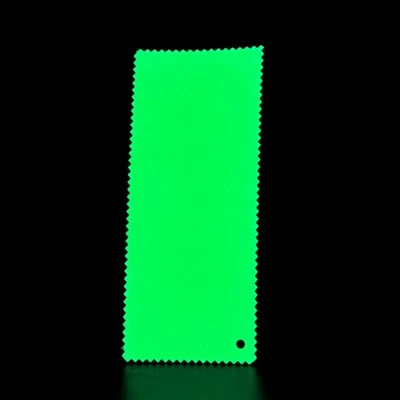
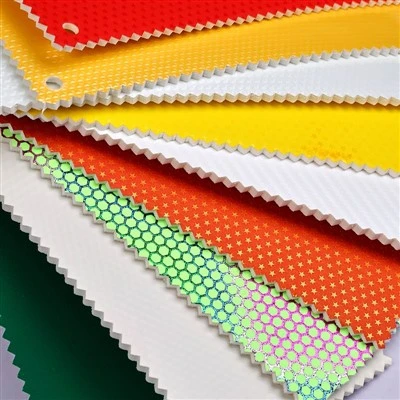
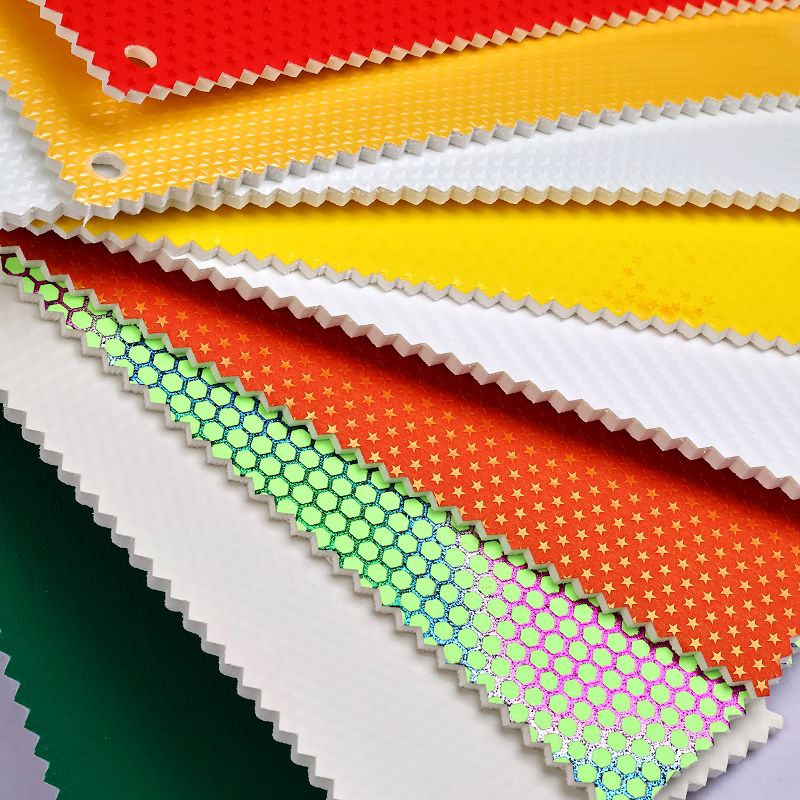
Ball material refers to the substance that a ball is made of, depending on its intended use. These materials vary widely in composition, performance and durability. Ball materials also include volleyball PU leather, American football PU leather, volleyball PVC leather, football interwoven fabric, etc.
Features of Football Oxford Fabric
Durability and Strength
This fabric is known for its ability to withstand wear and tear, making it perfect for everyday use. Oxford cotton undergoes rigorous durability testing to ensure its longevity. The fabric composition plays a significant role in its strength. It is made from 100% cotton, which gives it a natural resilience and durability. The tightly woven fibers create a sturdy fabric that can withstand frequent washing and heavy use without losing its shape or color.
Breathable and Comfortable
For a comfortable and breathable fabric, choose oxford cotton. This versatile fabric is perfect for hot climates and sportswear due to its excellent breathability and moisture-wicking properties. Oxford cotton is a lightweight and airy fabric that allows air to circulate freely, keeping you cool and dry even in the most intense activities.
Ease Of Maintenance
Oxford fabric is generally easy to clean and maintain. Stains can often be wiped off or washed away, which helps to keep the football looking new for longer.
Abrasion Resistance
The dense weave of Oxford fabric offers good abrasion resistance, protecting the ball from wear and tear caused by rubbing against playing surfaces or being kicked against hard objects.
Types of Football Oxford Fabric

Plain Oxford Fabric

Pinpoint Oxford

Royal Oxford
Process of Football Oxford Fabric
Material Selection
Use high-quality Oxford cloth, focusing on durability, strength, breathability, waterproofness, and wear resistance. Fabrics can also be treated as needed to enhance these properties.
Pattern Cutting
Computerized cutting machines are used to cut Oxford cloth into predetermined panel shapes based on the design of the football. Precision is crucial to ensure all panels fit together seamlessly.
Panel Assembly
The cut panels are then sewn together to form the outer shell of the football. Depending on the design, this may involve sewing the individual panels together or attaching them to a rubber or latex bladder.
Lining Application
An internal lining can be applied to the fabric shell to smooth the surface and improve the feel and aerodynamics of the ball. This lining is usually made of a softer material than the outer oxford fabric.
The Intended Use and Application
The intended use and application of the fabric must be carefully considered before making a purchase. Will it be used for clothing, outdoor gear, or home furnishings? Each of these uses has different requirements in terms of characteristics such as breathability, water resistance, and color fastness. Therefore, it is important to choose a fabric that meets the specific needs of the intended use to ensure optimal performance and longevity.
Fabric Composition
Oxford fabric can be made from various fibers, such as cotton, polyester, or a blend of both. Cotton is a natural fiber that is breathable, comfortable, and durable. Polyester is a synthetic fiber that is wrinkle-resistant and easy to care for. A blend of cotton and polyester can offer the best of both worlds.
Fabric Weave
Oxford fabric is known for its distinctive basket weave pattern, which is created by interweaving two yarns in a simple crisscross pattern. There are two main types of Oxford weave: plain Oxford and pinpoint Oxford.
Fabric Weight and Thickness
The weight of the fabric refers to its thickness and density. A heavier fabric can provide warmth and durability, but may be less breathable.
Fabric Thread Count
The thread count refers to the number of threads woven into one square inch of fabric. A higher thread count usually indicates a finer and softer fabric. However, a high thread count does not necessarily mean better quality. A lower thread count can also produce a durable and comfortable fabric.
Environmental Factors
These factors must be taken into consideration when selecting a fabric, particularly whether the fabric will be subjected to harsh weather conditions or high levels of wear and tear. The durability and strength required for the fabric will be influenced by these factors.
How to Maintain Football Oxford Fabric
Cleaning
After each use, wipe the football down with a damp cloth to remove dirt and sweat. For more stubborn stains, mix mild soap with warm water and gently scrub the affected areas with a soft brush or cloth. Rinse the football thoroughly to remove any soap residue. Allow the football to air dry completely before storing it.
Storage
Store the football in a cool, dry place away from direct sunlight and heat sources, which can cause the fabric to deteriorate. Avoid storing the football in a sealed plastic bag, as this can trap moisture and promote the growth of mildew. Keep the football in a ventilated bag or container if possible.
Inspection
Regularly inspect the football for any signs of damage such as tears, punctures, or excessive wear. If any damage is found, repair it promptly to prevent further tearing or air leakage. Small punctures can often be patched with a football repair kit.
Inflation
Check the football's air pressure regularly and inflate it to the recommended level as specified by the manufacturer. Over-inflating or under-inflating the football can cause uneven wear and reduce its performance.
Avoid Abuse
While footballs are designed to withstand heavy use, avoid subjecting them to unnecessary abuse such as kicking them against hard surfaces or throwing them at high speeds repeatedly. Be mindful of the football's surroundings during play to prevent it from coming into contact with sharp objects or rough terrain.
Volleyball PU leather refers to a synthetic material made from polyurethane (PU) that is designed to mimic the properties of genuine leather. It is commonly used in the production of volleyballs because it combines durability with a softer, more pliable surface that enhances the ball's touch and controllability. PU leather is also water-resistant and easy to clean, which makes it suitable for both indoor and outdoor play. Additionally, it is more cost-effective than natural leather, making volleyballs made with PU leather more accessible to players at all levels.
Features of Volleyball PU Leather
Cost-Effective
One of the main advantages of PU leather is that it is much more cost-effective than traditional leather. PU leather is made from a synthetic material, which means that it can be produced at a much lower cost than real leather. This makes it an excellent choice for those who want the look and feel of leather without the high price tag.
Easy To Clean
PU leather is also much easier to clean than traditional leather. Unlike real leather, PU leather is not porous, which means that it does not absorb water or other liquids. This makes it incredibly easy to clean, as spills and stains can simply be wiped away with a damp cloth.
Durable
PU leather is also incredibly durable and long-lasting. Unlike traditional leather, which can crack and fade over time, PU leather is resistant to wear and tear and can maintain its appearance for many years. This makes it an excellent choice for furniture, clothing, and other items that are subject to regular use.
Versatile
PU leather can be made in a wide range of colours and styles, making it incredibly versatile. This means that it can be used to create a variety of different looks, from classic and traditional to modern and contemporary.
Process of Volleyball PU Leather
Coating
In the first step, a polymer solution is poured onto a paper base that has a layer of silicone. The mixture is then passed between heated rollers to make it compact and uniform.
Texturing
After the coating has dried, the surface of the material is textured to resemble the grain of animal hide. This is done by pressing the material against a textured roller or plate.
Embossing
In some cases, the material is embossed with a pattern or design to make it look even more like real leather. This is done by pressing the material against an embossing roller or plate.
Finishing
Finally, the material is treated with a finishing coat to give it a glossy or matte appearance. This coat also helps to protect the material from wear and tear.
TPU leather, or Thermoplastic Polyurethane leather, is a type of synthetic material used in the manufacturing of various sporting goods, including American footballs. TPU is valued for its combination of durability, flexibility, and weather resistance, making it an ideal choice for footballs that are subjected to harsh playing conditions. The material is engineered to provide a consistent feel and grip, which is crucial for quarterbacks and receivers when passing and catching the ball. TPU leather also offers excellent abrasion resistance and can withstand repeated impacts without cracking or peeling, ensuring a longer product life compared to traditional leather.
Features of American Football TPU Leather
It is Durable and Long-Lasting
TPU leather is resistant to water, stains, and wear and tear, which makes it a good choice for applications that require a material that can withstand a lot of use or abuse. It is also easy to clean and maintain, which can extend its lifespan and reduce the need for replacements or repairs.
It is Flexible and Adaptable
TPU leather is a flexible and malleable material that can be easily cut, sewn, or molded into a variety of shapes and sizes. This makes it a good choice for applications that require a material that can be easily customized or adapted to different purposes, such as in the production of clothing or furniture.
It is Resistant To Temperature Changes
TPU leather is able to retain its shape and properties over a wide range of temperatures, from -40°C to 80°C. This makes it a good choice for applications that require a material that can withstand extreme temperatures, such as outdoor gear or automotive parts.
Certificate


Frequently Asked Questions
We're professional ball materials manufacturers and suppliers in China, specialized in providing high quality customized service. We warmly welcome you to wholesale high-grade ball materials made in China here from our factory.
waterproof rubber board, Beach Tennis Racket, surface cover PVC leataher for football sports